Failing Private Pole in Wyee
If your private pole is rotten, leaning, or the mains on it are damaged at your Wyee property, Electrician Wyee's Level 2 ASPs treat it as urgent and respond fast, backed by 300+ five-star reviews.
What a Failing Private Pole Actually Means
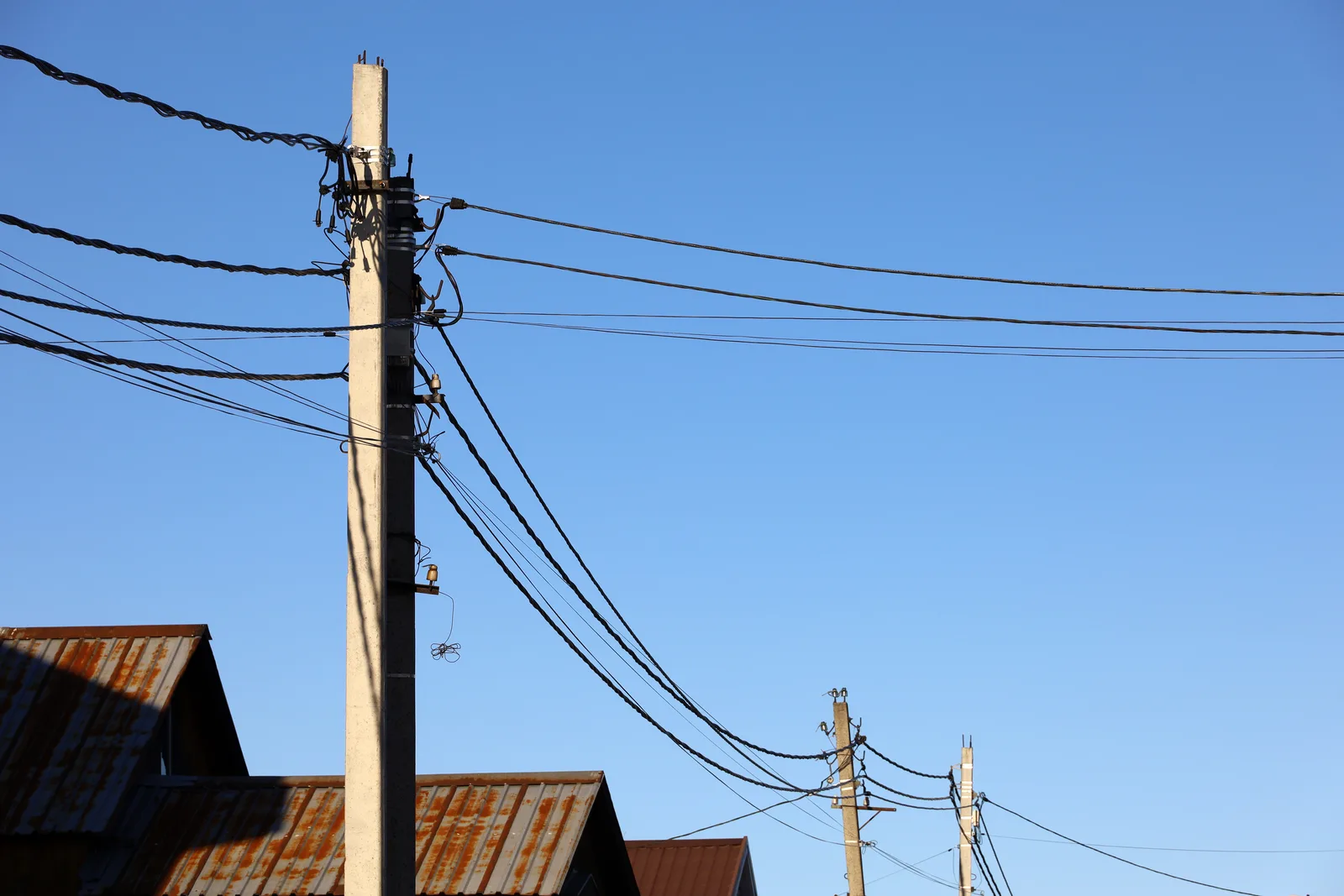
A private pole is the property owner's own pole, not Ausgrid's, carrying the service mains between the street connection and the meter, wiring only a Level 2 ASP is licensed to touch. A leaning, rotten or cracked pole, or one carrying visibly damaged mains, means the support for that live connection is failing, and AS/NZS 3000 treats this as a genuine hazard needing prompt attention.
Common Causes of a Failing Private Pole in Wyee
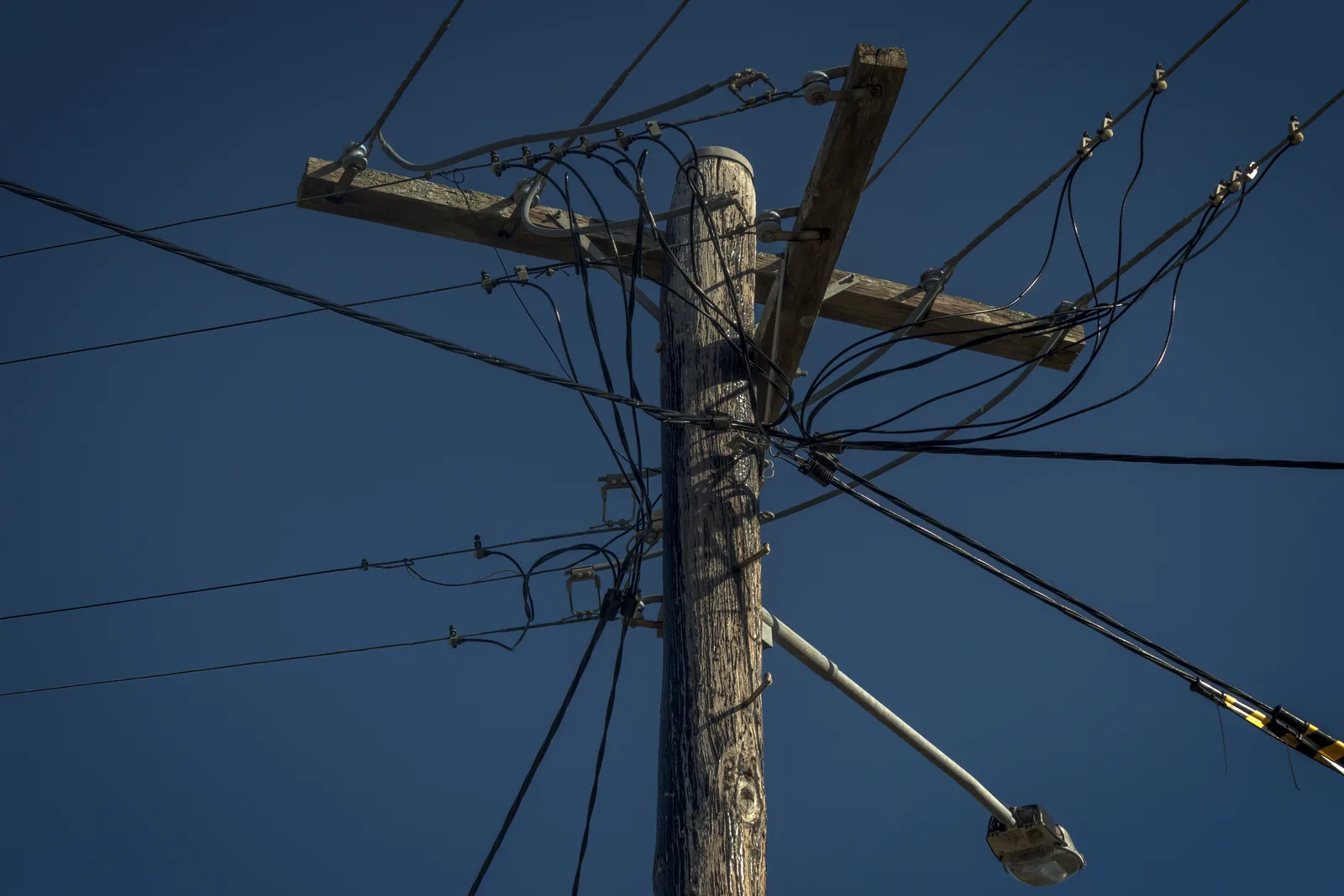
Timber rot from age
Older timber private poles on Wyee's acreage and rural-residential blocks have often stood for decades, and rot at the base or along the shaft eventually weakens the whole structure.
Termite and insect damage
Wyee's semi-rural setting and heavy tree cover bring a genuine termite risk, and hollowed-out timber inside a pole can fail with little visible warning from the outside.
Storm strain on the mains it carries
Wind and falling branches during a storm can put extra sideways strain on a private pole, accelerating a lean that was already starting to develop.
Ground movement around the base
Undulating terrain and reactive clay soils around Wyee's ridge blocks and creek flats can shift a pole's footing over time, causing a gradual or sudden lean.
Original pole never upgraded
Many older Wyee properties still carry the original private pole installed when the home was built, and poles this old are simply reaching the end of their working life.
Is a Failing Private Pole Dangerous?
Yes, treat this as urgent. A leaning or rotten pole can bring down live mains without warning, and the risk is not always obvious just from looking at it.
- A visibly leaning pole may fail completely with little further warning
- Cracked, split or hollow-sounding timber signals structural failure already underway
- Damaged mains on a failing pole can still be live even if the pole looks unstable
- This is Level 2 work, outside the scope of a standard electrician's licence
What To Do Right Now
A failing private pole needs distance and a call, not inspection, so follow these steps:
- Keep yourself, family, pets and vehicles well clear of the pole and any mains it carries.
- Do not attempt to push, straighten or inspect the pole up close yourself.
- Warn anyone else on the property, including tradespeople, to stay away from the area.
- Do not park vehicles or store anything near the base of a leaning pole.
- Call a Level 2 ASP (Lic #451348C) straight away to assess and make it safe.
When To Call a Level 2 ASP for a Failing Private Pole in Wyee
- The pole is visibly leaning more than it used to
- You can see cracking, splitting, or rot at the base or along the shaft
- The mains running from the pole are sagging, frayed, or damaged
- The lean or damage appeared or worsened after a storm
- You are unsure how old the pole is or when it was last checked
Any of these at your Wyee property is a same-day Level 2 job. We respond 24/7 for emergencies, with $0 call-out and free quotes on every callout. See our private pole and service mains pages.
How it works
How We Fix a Failing Private Pole in Wyee
Safety Assessment
We assess the pole's condition and the mains it carries first, treating any leaning or damaged pole as an active hazard until it is made safe.
Upfront Quote
Once the condition is confirmed, we provide a free, fixed quote covering repair or full replacement before any work begins on site.
Pole Repair or Replacement
As Level 2 ASPs we repair or replace the private pole and its mains ourselves, work most electricians must sub out entirely.
Testing & Safety Check
Every replacement or repair is tested and signed off against AS/NZS 3000 so your property has a safe, compliant connection before we leave.
Why This Is Common in Wyee Homes
Wyee's acreage and rural-residential blocks often still carry the original timber private pole installed decades ago, and years of termite exposure and storm strain leave many now due for attention, similar to properties we see near Gwandalan.
Failing Private Poles and Related Electrical Faults Across Wyee
A failing private pole often follows storm-damaged mains or shows up alongside a sagging service line. We fix all three across Wyee, Morisset, Gwandalan, and the wider Lake Macquarie region.
Private Pole Failing in Wyee? Call Now
Call (02) 4072 9991 for same-day, 24/7 emergency service, $0 call-out and free quotes, backed by 300+ five-star reviews and Lic #451348C. We'll make it safe fast, and if it sparks, shorts, flickers or fails, we can fix it. Contact us or visit our home page.
Common questions
Failing Private Pole FAQs
Real questions Wyee homeowners ask about a leaning, rotten or damaged private pole, answered honestly so you know exactly what to do.
Is a leaning or rotten private pole dangerous?
Yes, a failing private pole can bring down live mains without warning, so treat a leaning, cracked or rotten pole as urgent and get a Level 2 ASP to assess it the same day.
What causes a private pole to fail?
Age and timber rot, termite damage, storm strain on the mains it carries, or ground movement around the base are the most common causes of a failing private pole.
What should I do if my private pole is leaning or damaged?
Keep well away from the pole and any mains it carries, warn others on the property, and call a Level 2 ASP straight away rather than approaching or inspecting it yourself.
Do I need a Level 2 ASP to fix a failing private pole?
Yes, the private pole and the mains it carries are Level 2 work, and only an accredited Level 2 ASP is licensed to repair or replace them.
How much does it cost to replace a failing private pole?
It depends on the pole's condition and site access, but we provide a free, fixed upfront quote and a $0 call-out fee before any work begins.
Are ageing private poles common on Wyee's semi-rural properties?
Yes, many acreage and rural-residential blocks around Wyee still rely on older timber private poles that are now reaching the end of their working life.